For millions of Americans, programs like SSI, SSDI, and VA benefits are not just government assistance. They are a key source of financial stability. During times of inflation and rising living costs, many beneficiaries search for updates about possible stimulus checks linked to these programs.
This article explains everything in clear and simple English. You will learn how SSI, SSDI, and VA benefits work, what people mean by stimulus checks, who may qualify, expected payment dates, and how much support beneficiaries may receive.
Understanding SSI, SSDI, and VA Benefits
What Is SSI

Supplemental Security Income is a needs based program that helps seniors, disabled adults, and disabled children with limited income and resources. SSI is funded by general tax revenue and is meant to help cover basic needs like food, clothing, and housing.
Eligibility depends on age, disability status, income level, and available assets.
What Is SSDI
Social Security Disability Insurance is different from SSI. It is an insurance based program for people who worked and paid Social Security taxes but can no longer work due to a qualifying disability.

Eligibility depends on work credits and medical approval, not on financial need. Monthly payment amounts are based on past earnings.
What Are VA Benefits
VA benefits are provided by the Department of Veterans Affairs to veterans, disabled service members, and their families. These benefits may include disability compensation, pensions, education assistance, and survivor benefits.
When people talk about VA stimulus checks, they usually mean extra relief payments, cost of living increases, or special assistance approved during difficult economic periods.
What People Mean by Stimulus Checks for SSI, SSDI, and VA

SSI, SSDI, and VA programs do not issue regular payments called stimulus checks. The term stimulus check usually refers to federal relief payments approved during national emergencies or economic downturns.
In the past, beneficiaries of SSI, SSDI, and VA programs were included in nationwide stimulus programs. These payments were issued as one time support and were separate from monthly benefits.
Cost of living adjustments and temporary supplements are also often called stimulus payments, even though they are technically benefit increases.
Eligibility Rules for SSI Related Payments
SSI eligibility is based on strict income and resource limits. A person must be age 65 or older, blind, or disabled and have very limited income and assets.
When federal relief payments are approved, SSI recipients are usually eligible automatically. In past programs, SSI beneficiaries did not need to file tax returns because payment data was shared directly with the IRS.
Eligibility Rules for SSDI Related Payments
SSDI eligibility depends on work history and medical condition. Once approved, beneficiaries receive monthly payments as long as they remain disabled under Social Security rules.
For stimulus payments, SSDI recipients have generally been treated the same as other Social Security beneficiaries. Payments were issued automatically when eligibility requirements were met.
Eligibility Rules for VA Related Payments
Veterans receiving VA disability compensation or pensions have been included in past stimulus and relief programs. Eligibility depends on the specific law approving the payment.
In earlier programs, veterans who did not file tax returns still received payments using VA records. Survivors and dependents receiving VA benefits were also included under certain conditions.
Payment Dates for SSI Beneficiaries
SSI payments are usually sent on the first day of each month. If the first falls on a weekend or federal holiday, payment is made on the previous business day.
Stimulus or relief payments are issued separately from regular SSI payments. In past programs, these payments were sent within weeks after official approval.
Payment Dates for SSDI Beneficiaries
SSDI payments follow a staggered schedule based on the beneficiary’s date of birth. Payments are typically sent on the second, third, or fourth Wednesday of each month.
Any stimulus related payments are usually sent separately and automatically, without affecting the regular SSDI schedule.
Payment Dates for VA Beneficiaries
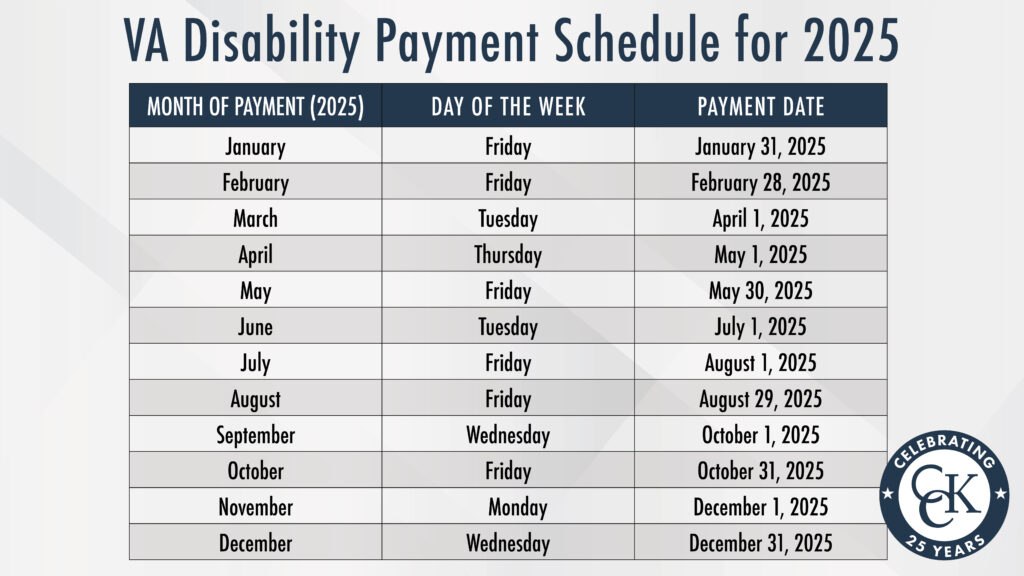
VA benefits are generally paid on the first business day of each month for the previous month. If that date falls on a holiday or weekend, payments are sent earlier.
Stimulus or relief payments for veterans are usually delivered using the same payment method as regular VA benefits.
How Much SSI Recipients Can Expect
SSI monthly amounts are adjusted yearly through cost of living increases. While regular SSI payments are limited, stimulus or relief payments can provide extra help.
In previous stimulus programs, SSI recipients received the same one time payments as other eligible Americans. These payments did not reduce future SSI benefits.
How Much SSDI Recipients Can Expect
SSDI payment amounts vary depending on work history and earnings. Stimulus payments are usually fixed amounts set by law and are not based on SSDI benefit levels.
In past programs, SSDI recipients received full stimulus payments without reductions or penalties.
How Much VA Beneficiaries Can Expect
VA disability compensation depends on disability rating, dependents, and other factors. Like SSI and SSDI recipients, VA beneficiaries received stimulus payments separate from their regular benefits.
VA benefits also receive cost of living increases that usually match Social Security adjustments.
Tax Treatment of Stimulus and Relief Payments
Past federal stimulus payments were not taxable income. Beneficiaries did not need to repay them or report them as earnings.
These payments also did not count as income or resources for SSI, SSDI, or VA benefit eligibility.
Common Myths and Misunderstandings
Many people believe beneficiaries must apply separately for stimulus payments. In most cases, payments are automatic.
Another common myth is that stimulus payments reduce future benefits. Historically, this has not been true.
What Beneficiaries Should Do to Stay Prepared
Keep personal information updated with the Social Security Administration or the Department of Veterans Affairs. This includes address and bank details.
Always rely on official government announcements to avoid scams and false information.
Final Thoughts
SSI, SSDI, and VA stimulus related payments are meant to provide temporary relief during difficult economic times. Understanding eligibility, payment timing, and expected amounts helps beneficiaries stay informed and prepared.
While these payments are not guaranteed every year, past trends show that beneficiaries are usually included in federal relief efforts. Staying alert and informed ensures you do not miss important updates.
Frequently Asked Questions
Are SSI, SSDI, and VA stimulus checks monthly payments
No. They usually refer to one time federal relief payments, not regular monthly benefits.
Do SSI recipients need to apply for stimulus payments
No. Payments are usually issued automatically using Social Security records.
Are SSDI beneficiaries eligible for stimulus payments
Yes. SSDI recipients have been included in previous stimulus programs.
Do stimulus payments affect SSI or SSDI benefits
No. Past stimulus payments did not reduce monthly benefits.
How do VA beneficiaries receive stimulus payments
Payments are usually sent through the same method used for regular VA benefits.