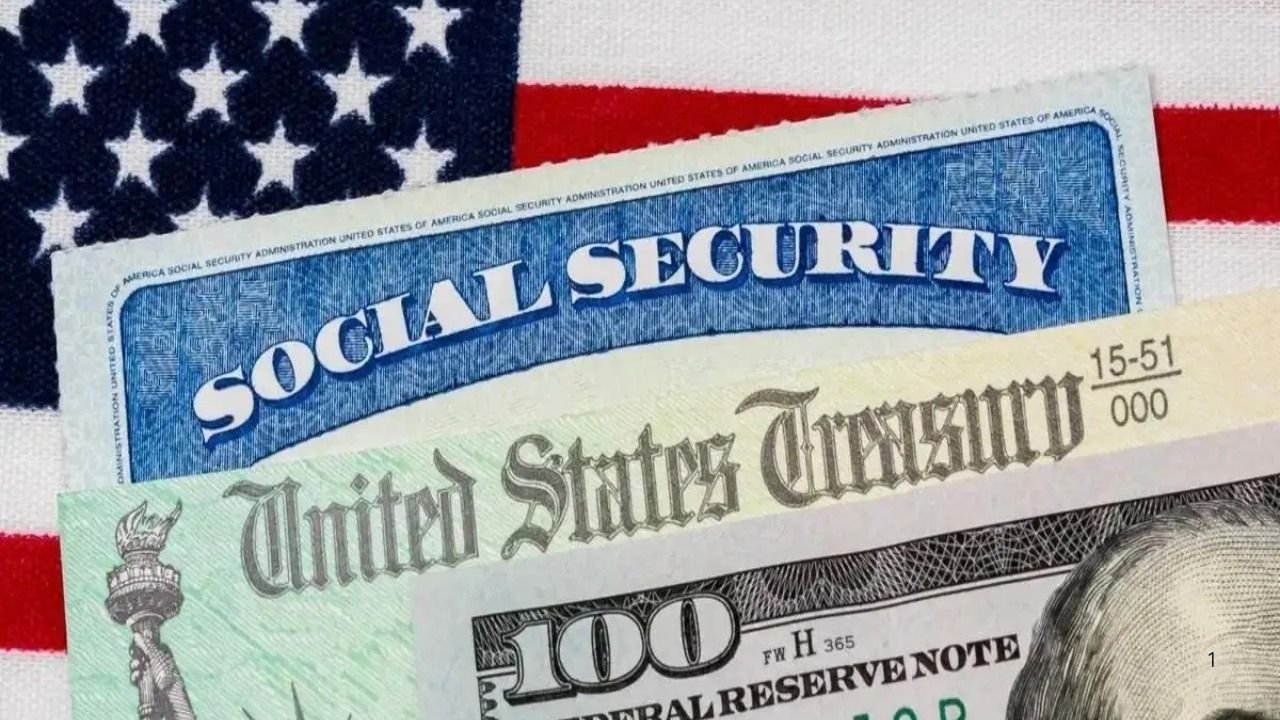
For much of the past year, Social Security beneficiaries were inundated with warnings that paper checks were on borrowed time. Government notices, official statements, and public messaging repeatedly emphasized that mailed payments would soon end. The language was firm and, for many recipients, alarming. Switch to electronic payments, beneficiaries were told, or risk disruption to the income they rely on most.
Now, after weeks of so-called “final” deadlines, the federal government is quietly changing course. Without a major announcement or press conference, officials have begun signaling a more flexible approach. Instead of a strict, universal cutoff, paper checks will continue for beneficiaries who cannot reasonably transition to electronic payments. For millions of seniors and vulnerable Americans, this quiet reversal offers much-needed reassurance.
The Push to End Social Security Paper Checks

The effort to eliminate paper checks did not begin recently. For years, federal agencies have promoted direct deposit and prepaid debit cards as the preferred way to deliver Social Security benefits. Electronic payments are faster, less expensive to administer, and far less vulnerable to theft, fraud, or postal delays.
By late 2025, government data showed that more than 99 percent of Social Security payments were already issued electronically. Paper checks represented only a small fraction of total payments, yet they accounted for a disproportionate share of administrative costs and security risks. From an efficiency perspective, phasing them out appeared both logical and inevitable.
As a result, official communications became increasingly definitive. Beneficiaries still receiving checks were repeatedly told that deadlines were approaching and that the transition was final. For many recipients, especially older Americans, the messaging felt less like guidance and more like an ultimatum.
When the “Final” Deadline Passed Without Change

Then something unexpected happened. The deadlines came and went, but paper checks did not stop. Beneficiaries who had not switched to electronic payments continued receiving their monthly checks without interruption.
Behind the scenes, agencies acknowledged that a total and immediate elimination of paper checks was not practical. Rather than issuing a formal statement reversing course, the government softened its tone. Electronic payments are still described as the standard and strongly encouraged, but no longer framed as an absolute requirement for every beneficiary.
This subtle shift surprised advocates and observers alike, particularly after weeks of rigid messaging that suggested no exceptions would be allowed.
Why Some Americans Still Rely on Paper Checks

Although paper check recipients make up a small percentage of Social Security beneficiaries, they include some of the most vulnerable individuals in the system. Many are elderly Americans who have never used online banking and are deeply uncomfortable managing finances digitally.
Others live in rural or remote areas where reliable internet access remains inconsistent. Some are entirely unbanked, lacking checking or savings accounts due to high fees, past financial challenges, or long-standing distrust of financial institutions.
For these individuals, switching to electronic payments is not a simple administrative update. Advocacy groups warned that a hard cutoff could leave people unable to access their only source of income. Those concerns gained traction, prompting lawmakers and agencies to reconsider whether efficiency alone should dictate policy.
A Shift Toward Flexibility Instead of Force
In response to growing pressure, the government appears to have recalibrated its approach. Direct deposit and prepaid debit cards remain the preferred and recommended options, but exemptions are now more openly acknowledged.
Beneficiaries who face legitimate barriers, such as disability, lack of banking access, or technological limitations, may continue receiving paper checks. Agencies are increasingly focused on individualized assessments rather than enforcing a one-size-fits-all rule.
This shift reflects a broader recognition that modernization must account for real-world conditions. While digital systems offer clear advantages, not every American is positioned to adopt them without risk or hardship.
What This Means for Social Security Beneficiaries
For beneficiaries who are comfortable with electronic payments, nothing has changed. Direct deposit remains the fastest and most secure way to receive Social Security benefits, and it continues to be strongly encouraged.
For those who depend on paper checks, the message is more reassuring than it was just weeks ago. While agencies may continue to encourage a transition, recipients who genuinely cannot switch immediately are unlikely to see their benefits cut off without recourse.
However, flexibility does not mean permanence. The long-term goal of reducing paper checks remains intact. Beneficiaries who can transition safely may still be urged to do so over time, with assistance and support rather than pressure.
Balancing Modernization With Accessibility
The quiet walk-back underscores a broader tension in public policy: how to modernize essential systems without excluding those who rely on them most. Social Security is not merely a government program; for millions of Americans, it is a financial lifeline.
By allowing paper checks to continue in limited cases, the government is signaling that accessibility matters as much as efficiency. The revised approach acknowledges that progress should not come at the expense of those least equipped to adapt quickly.
Frequently Asked Questions
Are Social Security paper checks ending completely?
No. While electronic payments are the standard, paper checks will continue for beneficiaries who cannot reasonably switch to digital methods.
Do I have to switch to direct deposit right now?
Direct deposit is strongly encouraged, but it is not mandatory for individuals facing hardship or access issues.
Who should contact Social Security about exemptions?
Beneficiaries who are unbanked, disabled, or lack reliable access to electronic payment methods should contact Social Security to discuss their options.
The Bottom Line
Despite months of warnings and firm deadlines, Social Security paper checks are not disappearing overnight. The government’s quieter, more flexible stance reflects an understanding that modernization must serve people, not leave them behind.
For millions who depend on Social Security as their primary income, that shift offers stability and reassurance at a time when certainty matters most.