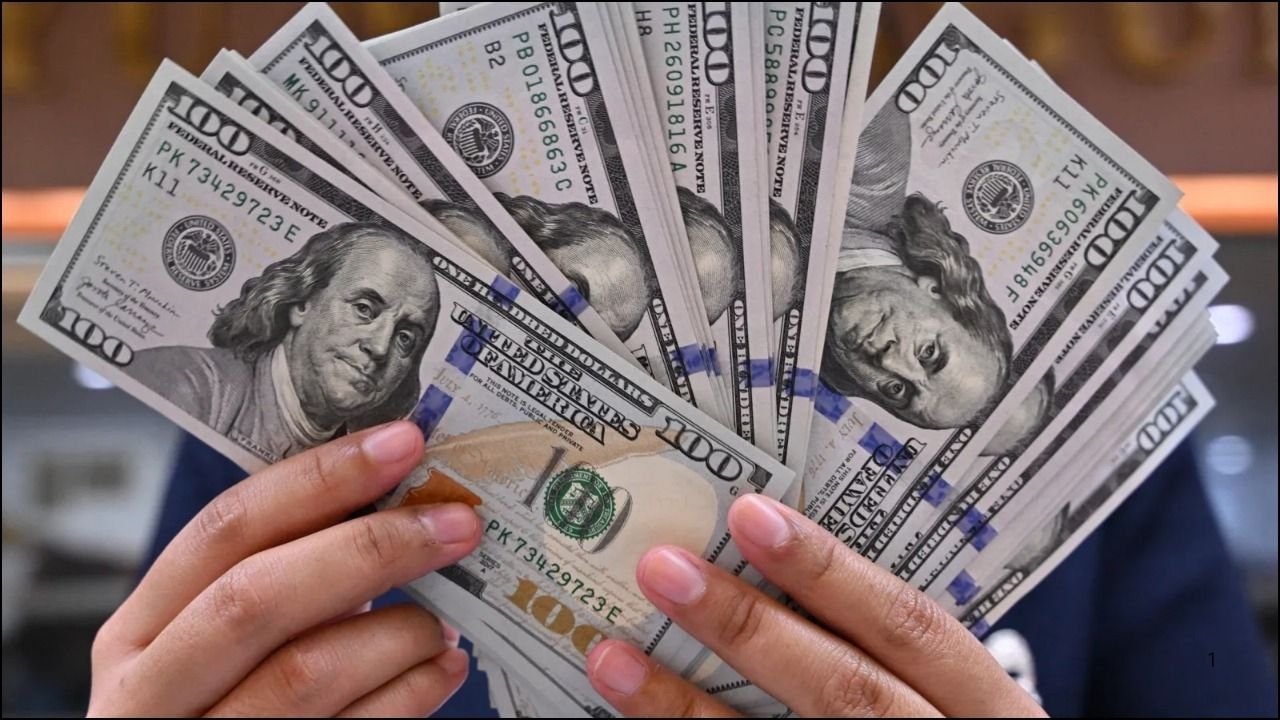
Minimum wage updates are back in focus as millions of U.S. workers look ahead to higher pay in 2025 and 2026. While the federal minimum wage remains $7.25 per hour, many states and cities have increased their own wage floors to help workers keep up with rising costs of living. From rent and groceries to fuel and healthcare, expenses continue to climb—pushing states to act where federal law has not.
This guide explains the latest minimum wage changes, why states are raising rates, a state-by-state snapshot, and what these changes mean for workers and employers.
Overview of U.S. Minimum Wage Changes
Key Facts at a Glance
| Category | Details |
|---|---|
| Federal Minimum Wage | $7.25 per hour |
| States with Higher Wages | 30+ states |
| Highest State Rates | $16–$17+ per hour |
| Main Driver | Inflation and cost of living |
| Who Sets State Wages | State and local governments |
| Official Reference | U.S. Department of Labor |
Why Minimum Wages Are Increasing
Rising Costs and Buying Power

Inflation has reduced the real value of wages. When prices rise faster than pay, workers lose buying power. Many states now index wages to inflation to prevent annual erosion.
Fair Pay and Workforce Stability
Policymakers argue that full-time work should cover basic needs. Higher minimum wages can reduce turnover, improve morale, and lessen reliance on public assistance.
Local Control
Costs vary widely across the U.S. States and cities with higher living expenses often set local minimum wages above state levels.
USA Minimum Wage Changes by State (2025 Snapshot)

States can set wages higher than the federal rate. Some adjust annually; others increase through legislation.
| State | 2025 Hourly Minimum Wage |
|---|---|
| California | $16.00–$17.00 (higher in some cities) |
| Washington | $16.28 |
| New York | $16.00 (higher in NYC) |
| Florida | $13.00 |
| Illinois | $15.00 |
| Colorado | $14.42 |
| New Jersey | $15.13 |
| Connecticut | $15.69 |
| Massachusetts | $15.00 |
| Texas | $7.25 (federal rate) |
Tip: Cities like Los Angeles, San Francisco, Seattle, and New York City often require higher local wages than their states.
Federal Minimum Wage Outlook: 2025–2030
What to Expect
- 2025: Federal rate stays at $7.25; state increases continue.
- 2026: Congressional proposals gain attention, but no guaranteed change.
- 2027–2028: More states and cities raise wages, many tied to inflation.
- 2029–2030: A federal increase remains possible, but state rules are likely to drive most gains regardless.
Impact of Higher Minimum Wages
Benefits for Workers
- More income for essentials like rent, food, and transportation
- Improved financial stability and emergency readiness
- Potential boosts to job satisfaction and retention
Considerations for Employers
- Higher payroll costs, especially for small businesses
- Possible responses include modest price increases, fewer hours, or slower hiring
- Compliance can be complex where city and state rules differ
How to Calculate Your Minimum Wage Earnings
Use a quick estimate to understand your pay:
| Step | Example |
|---|---|
| Hourly Wage | $15 |
| Hours/Week | 40 |
| Weekly Pay | $600 |
| Monthly Pay (×4.3) | ~$2,580 |
| Yearly Pay (×52) | ~$31,200 |

Actual earnings vary with overtime, tips, and local laws.
Frequently Asked Questions
Who decides the federal minimum wage?
The U.S. Congress sets it; states and cities can set higher rates.
Is the minimum wage the same everywhere?
No. Many states and cities require wages above the federal level.
Do higher minimum wages reduce living costs?
Not directly. They increase income, while prices depend on broader economic factors.
Can cities set higher wages than states?
Yes. Many high-cost cities do.
How do I know which wage applies to me?
The highest applicable rate—city, state, or federal—usually applies.
Conclusion
Minimum wage changes across the U.S. reflect ongoing efforts to help workers keep pace with rising living costs. Even as the federal rate remains unchanged, state and local actions are driving higher pay for millions. Workers should check local wage laws to know their rights, and employers should stay compliant as rules evolve. With more increases expected at the state level, minimum wage will continue shaping paychecks and workplaces in the years ahead.